



Hunting for truly natural disinfectants
Introduction to natural disinfectants
Recently, the market has been flooded with various disinfectant products. In connection with the current Covid-19 epidemic, almost all manufacturers of cosmetics, cleaning products, or even food have started producing guaranteed natural disinfectants. Understandably, legislation does not recognise such a term, so manufacturers can operate with it in any way. So what should such a natural and in our case mainly non-toxic disinfectant look like?
Classification of disinfectants
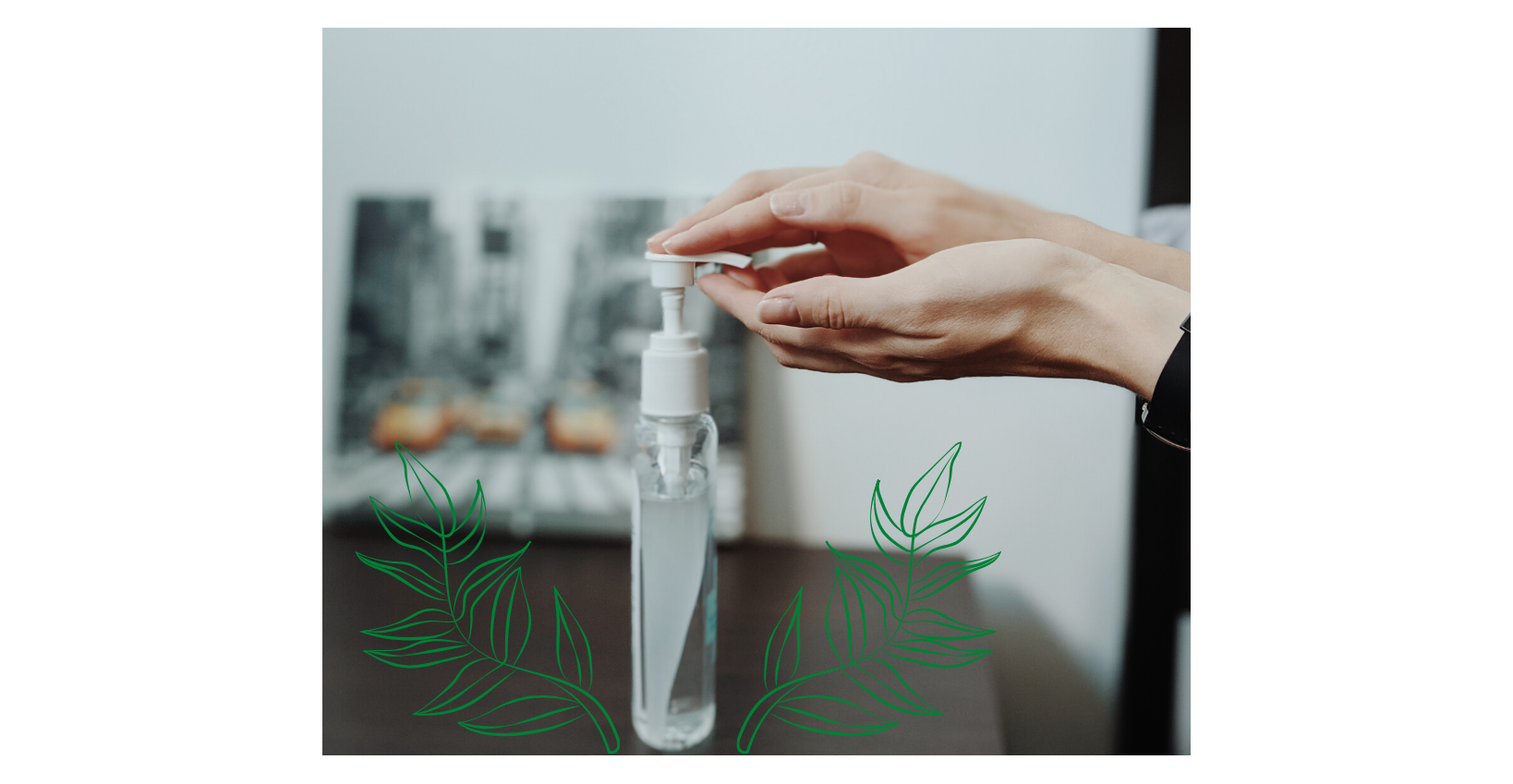
First of all, it is necessary to distinguish between hand disinfectants and surface disinfectants. Hand disinfectants require much higher standards, and unsuitable products should not be applied to them, as this may ultimately do more harm than good. Many toxic substances penetrate even intact healthy skin. Below are the basic rules to follow when choosing a non-toxic HAND disinfectant.
1. At least 60% ethanol
If the product is to have disinfectant properties, it must contain a certain concentration of alcohol (or another substance with proven virucidal and bactericidal effects). No oils or aloe vera extracts have the required antibacterial or antiviral effect. If such ingredients appear at the top of the composition list, then it is definitely not a product with disinfectant properties. Beware, you might often see ads for various oils and extracts claiming disinfectant effects. These are often just marketing tricks; it is always necessary to carefully read the ingredients. The alcohol content should be at least 60%, according to WHO, and this information should be stated on the packaging. Technically and according to WHO, this concentration is sufficient, but practically it is better to use around 70%. This concentration is commonly used in laboratories handling biological samples where contamination by viruses or bacteria must be avoided. Anything above 60% is great, 70% ethanol is ideal and the golden standard. Just note that too high concentrations (above approx. 85%) do not have demonstrably better disinfectant effects, so there is no point in overdoing it with disinfection.
2. Non-denatured alcohol
The vast majority of hand disinfectant manufacturers use denatured alcohol, even brands that claim to be natural and eco-friendly. Denatured alcohol contains denaturing agents added to ethanol to make it unsuitable for consumption. Simply, consumable alcohol becomes alcohol for technical and industrial use. In crisis situations, such alcohol can be used for unavoidable surface or floor disinfection. Then, however, it is necessary to ventilate the room properly, try not to inhale the vapours, and use protective equipment. Non-denatured alcohol can be obtained in stores as plain consumable alcohol. This is 100% non-denatured and non-toxic and can be used safely.
3. Non-toxic additives
Truly natural non-toxic disinfectants typically contain plant-derived glycerin, which serves as a counterbalance to alcohol, which dries the skin. Glycerin softens the hands and gently hydrates them. You may also encounter panthenol, which has regenerative and healing effects especially on the skin. Fragrances and aromas are demonstrably of natural origin, often essential oils or various macerates and plant extracts. These ingredients are non-toxic, but essential oils alone do not have strong enough antibacterial and antiviral effects to quickly destroy viruses and bacteria.
4. pH regulators
Disinfectants may contain other non-toxic pH regulating ingredients, for example sodium citrate, which adjusts pH to be as close as possible to human skin. You may also encounter Sodium Lauroyl Lactylate (SLL), a natural emulsifier of mixture components with moisturizing properties.
Practical recommendations
Making homemade natural disinfectant is not difficult and obtaining consumable alcohol is not complicated. For official operations, Sonett hand disinfectant is suitable, which has official approval and is registered as a biocidal product. For ordinary households, commonly available consumable alcohol 65–80% or diluted 96% alcohol is sufficient. Essential oils can be added as a fragrance or additive.
Safe hygiene
The most important protection against viruses and bacteria is regular and proper handwashing with non-toxic soap, preferably solid soap. Hand disinfectant is rather secondary protection. The air is best refreshed by ventilation or using a diffuser with quality essential oils, better than air fresheners with denatured alcohol, which are not non-toxic.
Links to suitable products
Consumable alcohol is available in various e-shops in the Czech Republic and Slovakia. Manufacturers offering truly non-toxic hand disinfectants include Indivo, Odylique, and Dr. Bronner's, who use non-denatured or certified plant-based alcohol.
Your WERECO