



Aromatherapy for Children
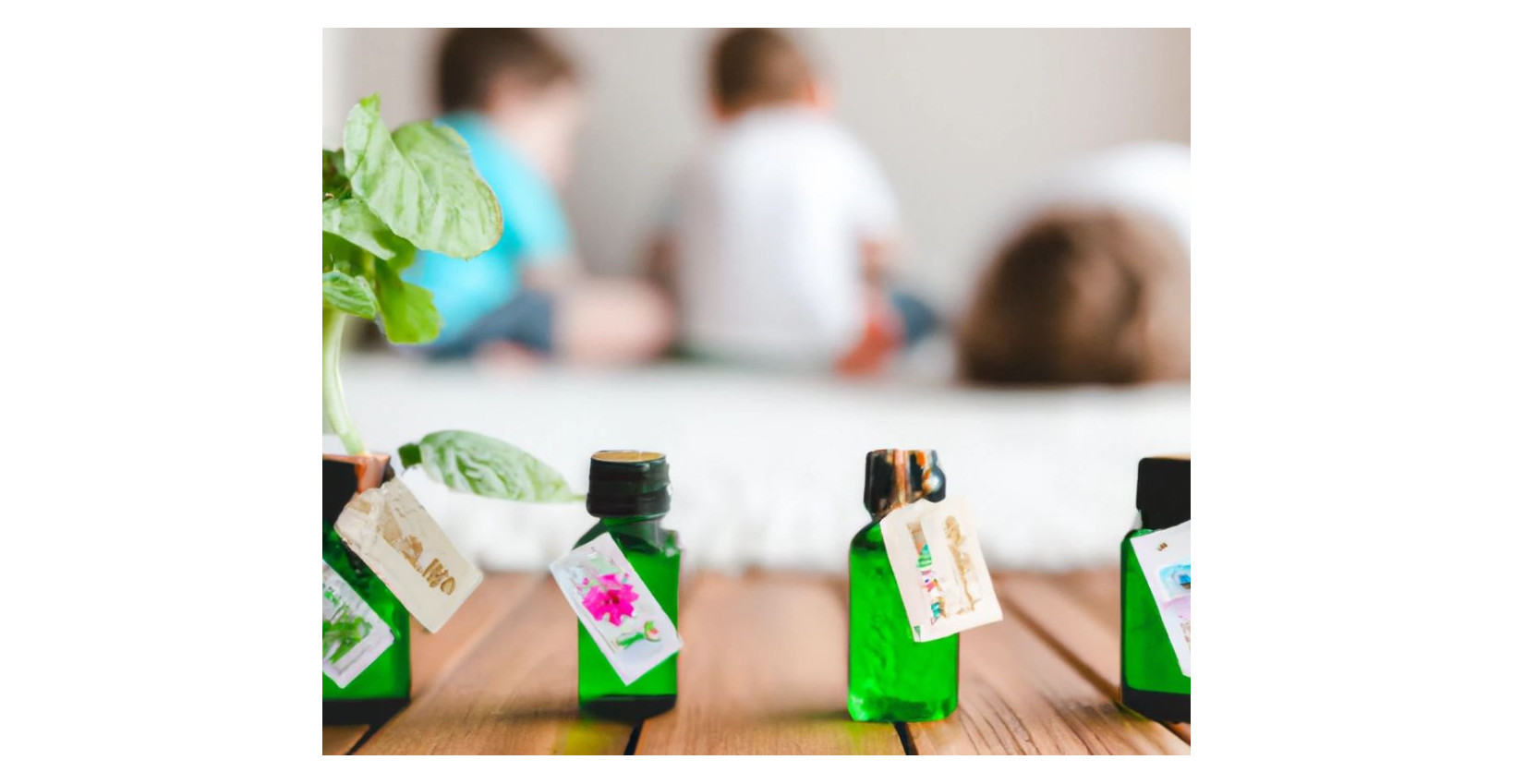
Essential oils and children is a topic that never grows old. Its relevance is actually increasing more and more. This is natural because the popularity of essential oils and interest in natural forms of healing are growing. But why is the use of essential oils in many cases not a good idea for children?
Essential (etheric) oils and their composition
The composition of essential oils plays an essential role in aromatherapy for children (and not only for them). That is why it is always better to use single essential oils rather than blends, where it can be quite difficult to determine suitability. Likewise, a quality aromatherapist will not recommend using blends in groups where you do not know the health condition of those present. These include kindergartens, schools, office workplaces where more individuals are together, or animals may be present.
What to watch out for?
Many people who do not have aromatherapeutic education but whose main goal is to sell as many essential oils to mothers of small children claim that they are absolutely safe and suitable practically from birth. This is not true. Many aromatic molecules contained in essential oils are not suitable at all for use in infants and younger children for many good reasons. Not only because they are more sensitive to smells, but they also have much more delicate skin. It is also necessary to be very careful because they do not have a sufficiently developed nervous system.
Moreover, it is necessary to protect their liver and kidneys. Because some essential oils can be neurotoxic, hepatotoxic, or hematotoxic (toxic) when used unprofessionally in high doses or for long-term use. Many oils have a strong allergic potential or, in the case of containing 1,8 cineole or menthol, can cause respiratory arrest in small children. Therefore, when using essential oils with children, it is necessary to distinguish three age groups: those suitable for children from three years old, then from six to ten years old, and the last group is adolescents from ten to twelve years old.
Hydrolates are better and safer
Flower waters (hydrolates) are produced during the distillation of essential oils. They contain about 1% of water-soluble aromatic molecules. This makes them a very gentle yet truly effective aromatherapeutic agent for treating babies and young children, pregnant women, and people with specific health problems. They are simply suitable for everyone for whom essential oils are not appropriate. Unlike highly concentrated essential oils, they can also be taken internally without fear of mucosal irritation. They are effective for treating small wounds, children's skin, for example after diaper changes as prevention against redness and nappy rash; some can be used for eye infections and newborn acne. You can also use them in an aroma lamp or diffuser when you need to calm a child. They really have a wide variety of uses for both children and adults and are completely safe. With quality certified manufacturers, you can get hydrolates even in organic food-grade quality.
Which essential oils can you use from us?
We do not recommend using any essential oils up to the age of three, but rather the above-mentioned hydrolates.
| from 3 years | from 6 years |
| mandarin | thyme (linalool) |
| lemon | lemon balm |
| sweet orange | blue chamomile |
| tea tree | Scots pine |
| bergamot | true lavender |
| Roman chamomile | ravintsara |
| clementine | grapefruit |
| eucalyptus radiata |
Pavlína Klaudová
graduate of the prestigious aromatherapeutic institute Tisserand