



Repellent Effects of Essential Oils
Essential Oils Against Bites
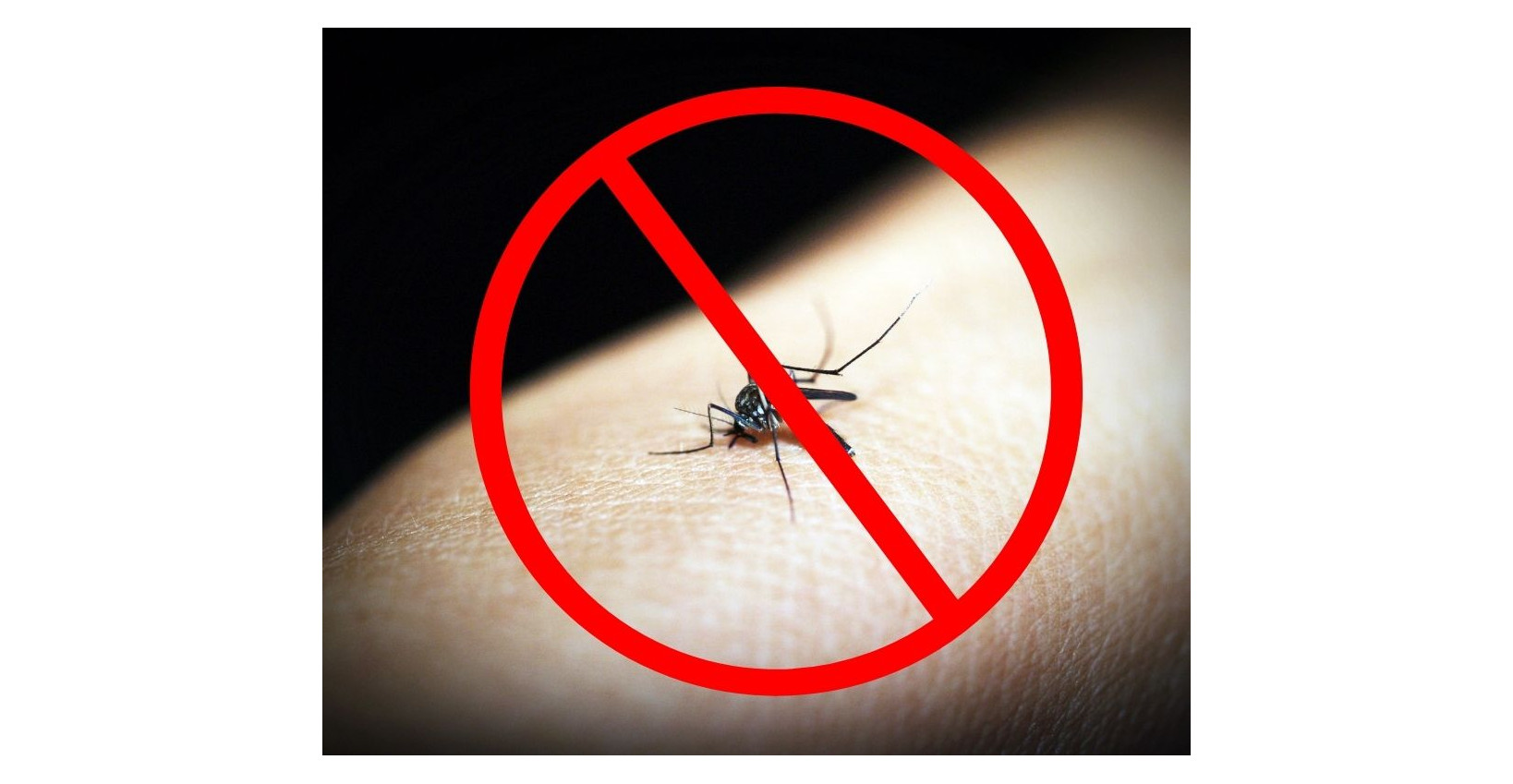
Commercial insecticidal products are designed to repel insects, but they are not safe for the environment and often not for the human body either. When used indoors, they can have an adverse effect on the respiratory tract or irritate the skin. Essential oils offer a natural alternative to chemical insecticides. Perhaps the best known repellent essential oil is citronella, strongly supported by lemon eucalyptus and also geranium. Mosquitoes and other biting insects just don't like them. If you take a portable diffuser to a garden party, you can drive them away quite well.
Repellent Mixtures Against Ticks
If you need to deal with ticks, make the right aromatic bomb from neem oil, geranium and linalool thyme. This combination is also suitable for children from six years of age. After an insect attack, use essential oils of lavender or geranium to treat the unpleasantly itchy bite, just dilute them in a carrier oil and apply to the spot where the mosquito fed. Due to the many possible uses, you do not need to have a whole range of essential oils at home. Geranium is suitable in mild dilution (0.5%, that is 1 drop per 10 ml of vegetable oil) for children from three years of age.
Essential Oils for Pest Control
Did your child bring home lice from school? Essential oils can naturally drive them away. You can easily add them to shampoo or make a hair wrap with them. Two generous drops of lemon essential oil, one of the eucalyptuses (depending on the child’s health condition and age globulus or radiata), lavender, tea tree or geranium. Eucalyptuses are better suited for shampoo; lavender and other floral and herbal essential oils for hair masks. If you want to make a mixture to drop into a shampoo bottle that will evict lice, combine essential oils of lavender, tea tree and you can also add patchouli. Do people with low blood pressure, do not use lavender, which can lower blood pressure. Asthmatics and epileptics need to be careful with eucalyptuses because the high content of aromatic compounds can cause breathing difficulties in sensitive individuals.
Fungicidal Essential Oils
If you need a strong fungicide, reach for essential oil of tea tree or lemongrass, you can also combine with neem oil. Lemongrass is not suitable for children under ten years of age.
Anti-Parasitic Essential Oils
Bonus Tip
If you have aphids and whiteflies on plants, a combination of neem oil diluted in water with a teaspoon of non-toxic detergent, ideally fragrance-free (Sonett, sodasan), works great against them. Neem oil concentration in the mixture can be 5-10% (or even more if you have many pests). Spray plants with this mixture 2-3 times daily over several days. Neem oil naturally halts the development cycle of whiteflies and aphids, which gradually disappear over days. This spray is non-toxic and safe; all components are biodegradable.
Pavlína Klaudová
graduate of the prestigious Tisserand Aromatherapy Institute