








When using preventive diffusion, bet on citrus fruits, they help support immunity
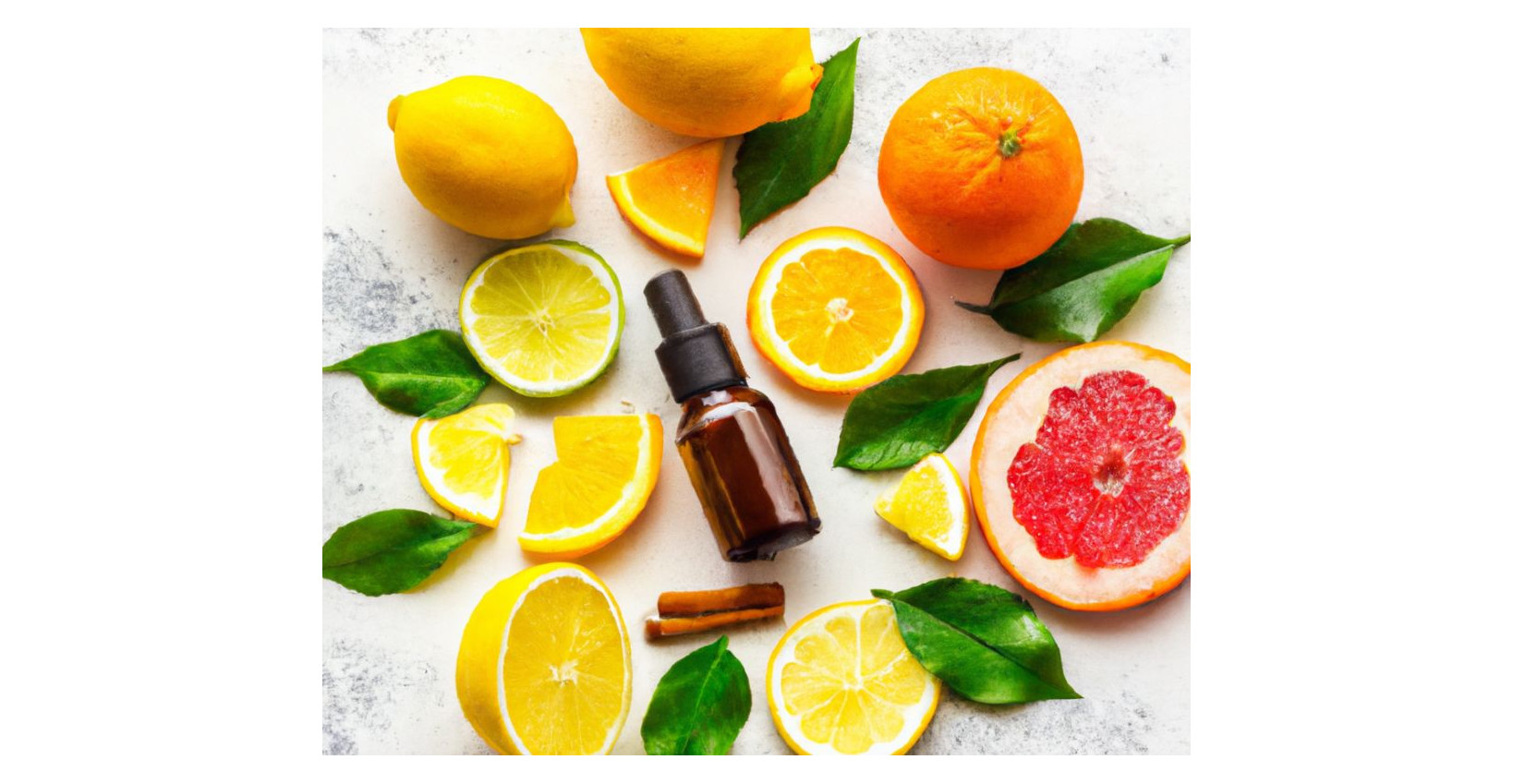
Replace antiviral bombs with gentle citrus fruits
Strong antiviral bombs such as eucalyptus globulus, thymes, and other commonly used essential oils have their place only in the case of an already developed cold. These strong essential oils are also not suitable for small children under ten years of age (with exceptions such as thyme linalool and eucalyptus citriodora or eucalyptus radiata, which can be used in children from six years old, while hydrolates suffice for those under six). Many people still perceive essential oils only as fragrances, but it is time to start handling them as medicines and respect their chemical composition, effects, and possible health risks for individuals with specific conditions.
Safety and suitability of citrus oils
For example, widely used eucalyptuses or mint are not suitable at all for asthmatics or epileptics (and also small children), as they contain the molecule 1,8 cineole, also known as eucalyptol, which can cause respiratory arrest in these individuals. Citrus fruits, with a few bright exceptions, are suitable for children and fragile individuals and also as part of prevention. If you use them along with appropriately chosen dietary supplements, illnesses won't get the better of you. It is sufficient to diffuse them two to three times a week for adults for 30 minutes twice a day, and 15 minutes twice a day for children. The dosage depends on the room size from 3 to 5 drops for adults, while children receive half the dose. If you take blood thinners, care must be taken with some citrus oils as they can interact. People sensitive to limonene should avoid them.
How to recognise citrus oils and how to use them
As for essential oils from citrus, they are obtained either by steam distillation or by pressing peels. If you want to use them in cosmetics, it is better to choose those distilled, as they do not show signs of phototoxicity. For pressed oils, a certain time must be observed, usually 8-12 hours, with exceptions like bergamot up to 18 hours before exposing the skin to direct sunlight.
Bergamot
Bergamot is a mild antibacterial agent, mainly used in cosmetics in perfumes, care products, as an immune stimulant and nerve tonic, acts mildly analgesically, and reduces sebum production. Like other citrus oils, it is diaphoretic and diuretic, promoting blood circulation. Its scent is sweet-sour and citrusy. It can help in stressful situations, digestive problems, menstrual or muscle cramps, musculoskeletal pain, and respiratory tract inflammation. Avoid bergamot during pregnancy until the end of the third month and during breastfeeding, and in small children under six years old. Do not use in excessive amounts. In our market, you can find distilled bergamot, which is non-phototoxic. For pressed bergamot, avoid exposure to direct sunlight; it is the most phototoxic oil overall.
Lemon
Lemon is mainly used as a nervous system tonic, energy stimulant, thinking stimulant, to reduce the visibility of scars, stretch marks, and cellulite, support blood circulation, and relax cramps. Its scent is sour but pleasant and fresh. It acts as a diaphoretic and diuretic; you can try to reduce a fever with it. It's also ideal for pregnancy nausea, swelling, supports blood circulation, relieves mental fatigue, and suits digestive troubles. Lemon is unsuitable during pregnancy until the end of the third month, for children under three years, and during breastfeeding. Pressed lemon is phototoxic. If suffering from morning sickness, you can use lemon hydrolate.
Red orange
The essential oil red orange is used as a perfumery component. In cosmetic products for facial, hair, and body care, it acts not only as a fragrance agent but also as an anti-aging agent. It supports blood circulation, reduces the visibility of scars, stretch marks, helps skin healing, and reduces infection frequency. It acts as an antiseptic and antibiotic, reduces skin oiliness. It is also antispasmodic, diaphoretic, and diuretic. It stimulates cognitive abilities and is an excellent nerve tonic. Its scent is juicy, sweet-sour, fruity. It can be used in pregnant women from the end of the third month, in low dosages, and in children from three years old. It can cause allergic reactions. After dermal application, avoid direct sunlight for at least eight hours if pressed.
Grapefruit
Grapefruit is used in aromatherapy as a nervous system tonic, antispasmodic, anti-inflammatory agent, to reduce fever, acts as diaphoretic and diuretic, suitable for swelling, nervous exhaustion, home cosmetics, and supporting blood circulation. Its scent is citrusy, slightly bitter. Grapefruit is contraindicated for people after organ transplantation, during pregnancy until the end of the third month, for children under three, and during breastfeeding. It may interact with medication for high cholesterol and blood pressure, as well as some oncological medication. Pressed grapefruit oil from the fruit peel, not steam distilled, is photosensitive.
Red mandarin
Red mandarin is great for reducing the appearance of cellulite, scars, and stretch marks because it supports the lymphatic system, promotes good blood circulation, protects the liver, and is excellent for nervous tension. In children, it can help with falling asleep. It has a beautiful, citrusy, sweet scent. Suitable for pregnant women from the end of the third month and children from three years, cautiously used in children from one year in very low dilution. One drop per teaspoon, well mixed and applied to the child's body, is enough. Pressed red mandarin essential oil is phototoxic, distilled is not. The same contraindications apply to other mandarins.
Clementine and green mandarin
Clementine clementine has similar properties to mandarin; its essential oil has a similar composition. Clementines are harvested at a different time and have thicker and bumpier peel than red mandarin. It's sought after as a gentle sedative and calming agent, helping to improve sleep and relax before deserved rest. It supports digestive functions and is used for abdominal massage if digestion troubles arise. Its effect is similar to the hormone cortisone, so it's not recommended for children under six years old. It can be applied to pregnant women from the end of the third month.
The essential oil green mandarin is easily recognized by its fruity, sweet-sour scent. It's highly valued for its pleasant aroma and calming abilities. Acts as a relaxing and sedative agent. Supports good digestion, improves blood circulation and acts antiseptically. Reduces symptoms of motion sickness and nausea. Allowed for adults, children from 3 years, pregnant and breastfeeding women. In high doses, it can cause kidney toxicity. Not recommended for gallstones.
Petit grain - bitter orange leaf oil
Essential oil from bitter orange leaves Petit grain is a sought-after component in perfumery, added to male and female scents. Its great advantage is that it has almost no contraindications. It smells fresher than bitter orange flower oil (neroli). In cosmetics, it's added to facial waters and skincare products, mainly as part of anti-aging products. It acts antiseptically and antibacterially, reduces signs of inflammation and visible scars. Pregnant women can use it from the end of the third month. Not recommended for breastfeeding women until the end of the third month of the child. Can be used in children from six years old, urgently from three years, in low dosages.
Conclusion
The range of citrus essential oils is diverse, and we believe everyone will find their favourite. Do you have yours?