



Oregano, sage, thyme, cinnamon and clove are powerful herbs but totally unsuitable for children
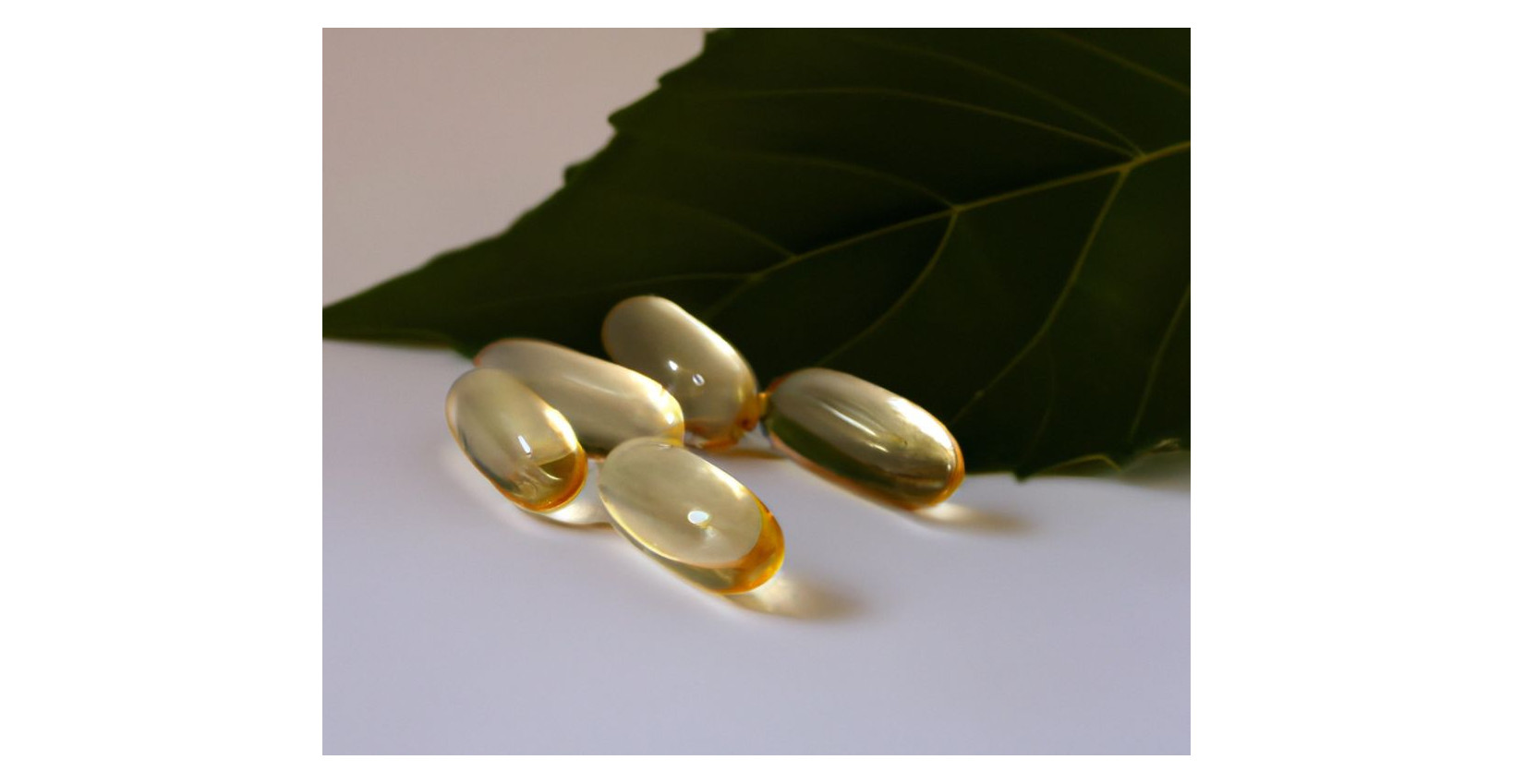
Essential oils in food supplements
Essential oils are used in the food industry and pharmacy, including the production of food supplements. In France, they are divided for cosmetic, food and pharmaceutical use. Some oils like medicinal sage contain substances with neurotoxic and abortive effects.
Why these herbs are not suitable for children
Medicinal sage stimulates uterine activity and is not suitable for pregnant women and children under 12 years, high doses can be dangerous for the nervous system. Oregano has bactericidal effects but is not suitable for pregnant, breastfeeding women and children under 12 years; in high doses it damages the liver. Thyme is antispasmodic and antifungal, but is not recommended for children and pregnant women and can be toxic in high doses. Cinnamon and clove have high allergy potential and are not used in children under 10-12 years, pregnant women or people with hypertension; they can also damage the liver and kidneys with long-term use.
Adults should be cautious when taking medication
When taking herbal supplements it is necessary to consult a doctor especially when using anticoagulants, diabetes medications or cancer therapy. Cinnamon, clove, oregano, sage and thyme can affect the effectiveness of these drugs. Rosemary can increase blood pressure.
Note: Using herbs as spices in small doses is not problematic, but high concentrations of essential oils or long-term use of infusions and tinctures can pose a risk.