









Supporting children's immunity is important, it can be built effectively and still safely
Use hydrolates for smaller children instead of essential oils
Moreover, we encounter situations where the most powerful substances like eucalyptus globulus, thyme, rosemary, or mixtures not suitable at all for small children are diffused in kindergartens and schools. We won’t even discuss the diffusion time; somewhere it is really long, up to a whole day. Simply put, hydrolates are more than sufficient for children up to six years old. If you want to verify this yourself, as an adult, pour thyme thymol into an ultrasonic diffuser. Experience firsthand how it works. We note that hydrolates contain only 1% of the water-soluble molecules from essential oil; they are far less concentrated.
Which hydrolates to choose to support children's immunity:
Tea tree (good both for prevention and during illness, but better for older children, approx. from two years old).
Linden flower (prevention and illness), blackcurrant.
Lemon, which is ideal for air disinfection and can also be used during illness.
You can try chamomile and rose, choosing different combinations of the mentioned hydrolates.
Note: Hydrolates can be used even for very small children, newborns (with exceptions such as rosemary, peppermint, cinnamon or thyme thymol, eucalyptus globulus).
Tips on practical use of hydrolates can be found on our blog here.
Helpers from the hive not only for good immunity
Bee products are safe even for small children (provided they are not allergic to them). You can give them from one year of age. For example, bee pollen is a great immunity builder. It is the basic protein for the survival of bee colonies. It is ideal for use during seasonal transitions.
It contains a wealth of beneficial nutrients, mainly vitamin B group, potassium, magnesium and iron, vitamins A, E, C and D. It acts as a renewer of energy reserves, supports good digestion, improves healing of wounds and inflammations, supports natural functions of the neuromuscular system. General recommendation for use is a three-week course, administered in the morning on an empty stomach. After opening, pollen should be stored in a cool place, preferably in the fridge.
To strengthen children's immunity, you can also opt for propolis in glycerin. Bees use propolis to disinfect hives and protect them against invasion by external pathogens. It is rich in esters, flavonoids, phenols; it contains a smaller percentage of essential oils and pollen, vitamin B5 and minerals (magnesium, zinc, manganese, copper, cobalt and others). Unlike bee pollen, it does not contain carbohydrates, proteins or lipids. It is good as prevention and also if children are ill. For respiratory diseases, it clears airways; it can also be given for urinary tract infections.
Try organ nutrition, it is comprehensive and effective
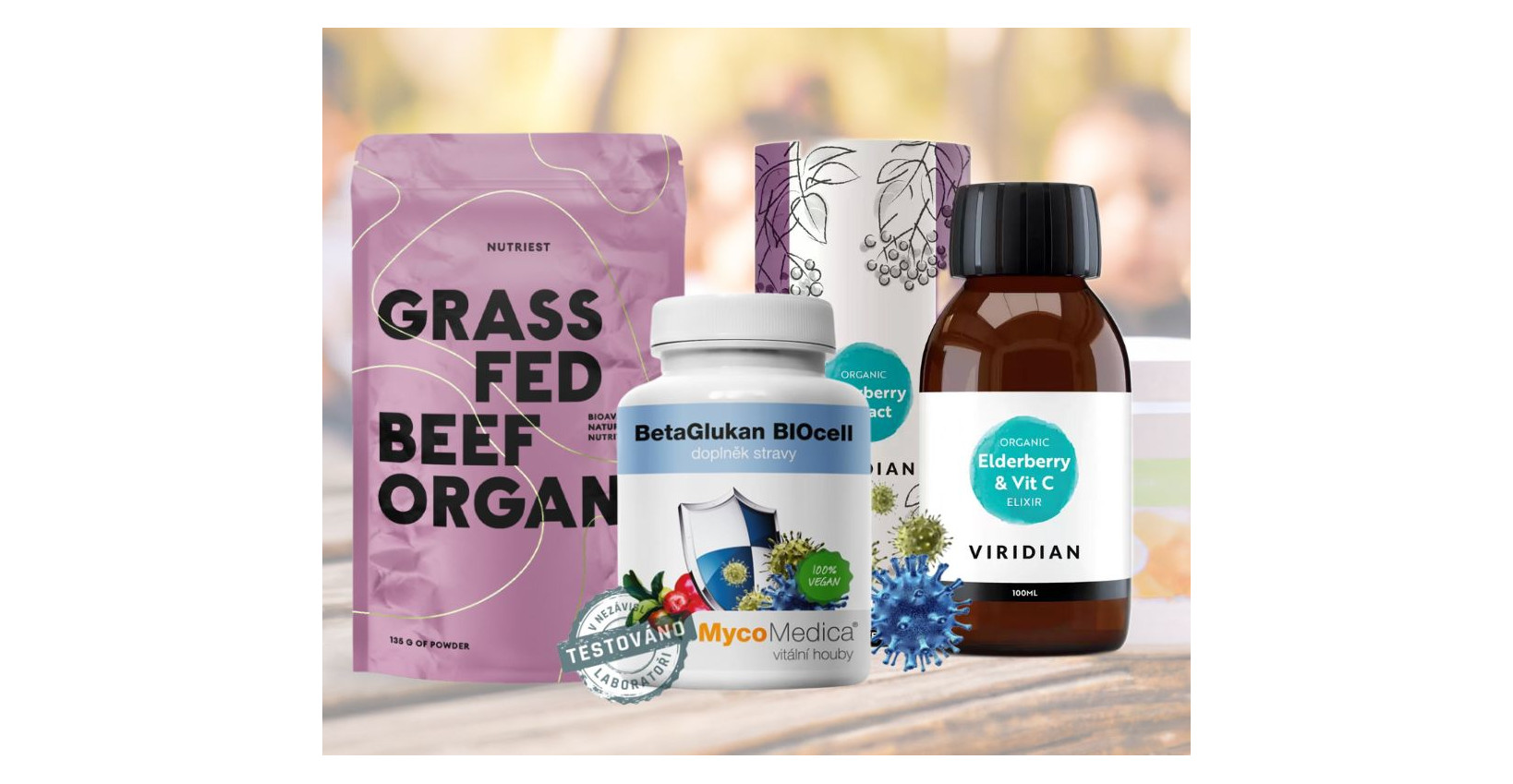
Organ nutrition is also great for children. You can easily sprinkle it into porridge or other food. If you want them to take it in a more usual form, you can prepare cold gummies at home from gelatin and mix in spirulina or just organ powders, sweetened easily with stevia or coconut sugar. In food supplements from animal organs you will find many beneficial vitamins (B vitamins) and minerals that your body needs to function well. They are suitable for children and adults, they really can "get immunity on its feet".
You can read more about the effects of organ nutrition here.
Beta glucans are ideal for children
Beta glucans (plant polysaccharides) are ideal for supporting children's immunity for many reasons. In the digestive system they are fermented by intestinal bacteria, helping to maintain digestive health. This is where the key to resilient immunity lies not only for children. Here you will find beta-glucans combined with acerola, a perfect source of vitamin C, known helper for good defence. You can also add probiotics to beta glucans. Building a healthy gut microflora is really important for effective fight against pathogen attacks.
Complement vitamins and minerals, they are important for proper body functions
Do you know how vitamins and minerals actually work, important for bulletproof immunity, not only for children, in your body? Take a look with us. You might be very surprised by what all they are responsible for and why it is necessary to supplement them into the body.
- Vitamin C is important for strengthening the immune system as a whole. It stimulates lymphocytes, immune cells, including the famous white blood cells. It supports the production and renewal of antibodies that protect the body against attacks by external aggressors. It supports good absorption and utilisation of iron. It is also an essential element for proper brain function. It is involved in the synthesis of neurotransmitters such as adrenaline, serotonin and dopamine. It is moreover an excellent antioxidant and participates in collagen formation.
- Vitamin D is important for healthy bones and teeth. It plays a fundamental role in calcium metabolism in the body. It regulates blood calcium levels by improving intestinal absorption of this mineral and simultaneously minimising its excretion in urine. Vitamin D acts on the innate immune system by stimulating macrophages and dendritic cells, which function in the “first line” of the immune system. It is also important for maintaining balanced emotional state.
- Zinc is a strong antioxidant; in men, it helps maintain normal testosterone levels. It is beneficial for maintaining good condition of hair, vision, bones, nails and for building effective immune responses. It supports natural reproductive and brain functions. It contributes to normal synthesis of DNA and proteins. It participates in the metabolism of fatty acids, carbohydrates and vitamin A.
- Magnesium is a trace element abundantly present in the human body. In terms of quantity, it ranks second after calcium, potassium and sodium. Because the body cannot produce it, it must be supplemented or supplied through food. Magnesium is essential for the formation of teeth and bones (together with calcium and phosphorus). It participates in muscle activity and the transmission of nerve impulses. It influences blood sugar levels. At the immune level, magnesium enables the synthesis of immunoglobulins, which act on the recognition and proper binding of immune cells.