







Vitamin C, a reliable helper for immunity that will energetically “boost” you
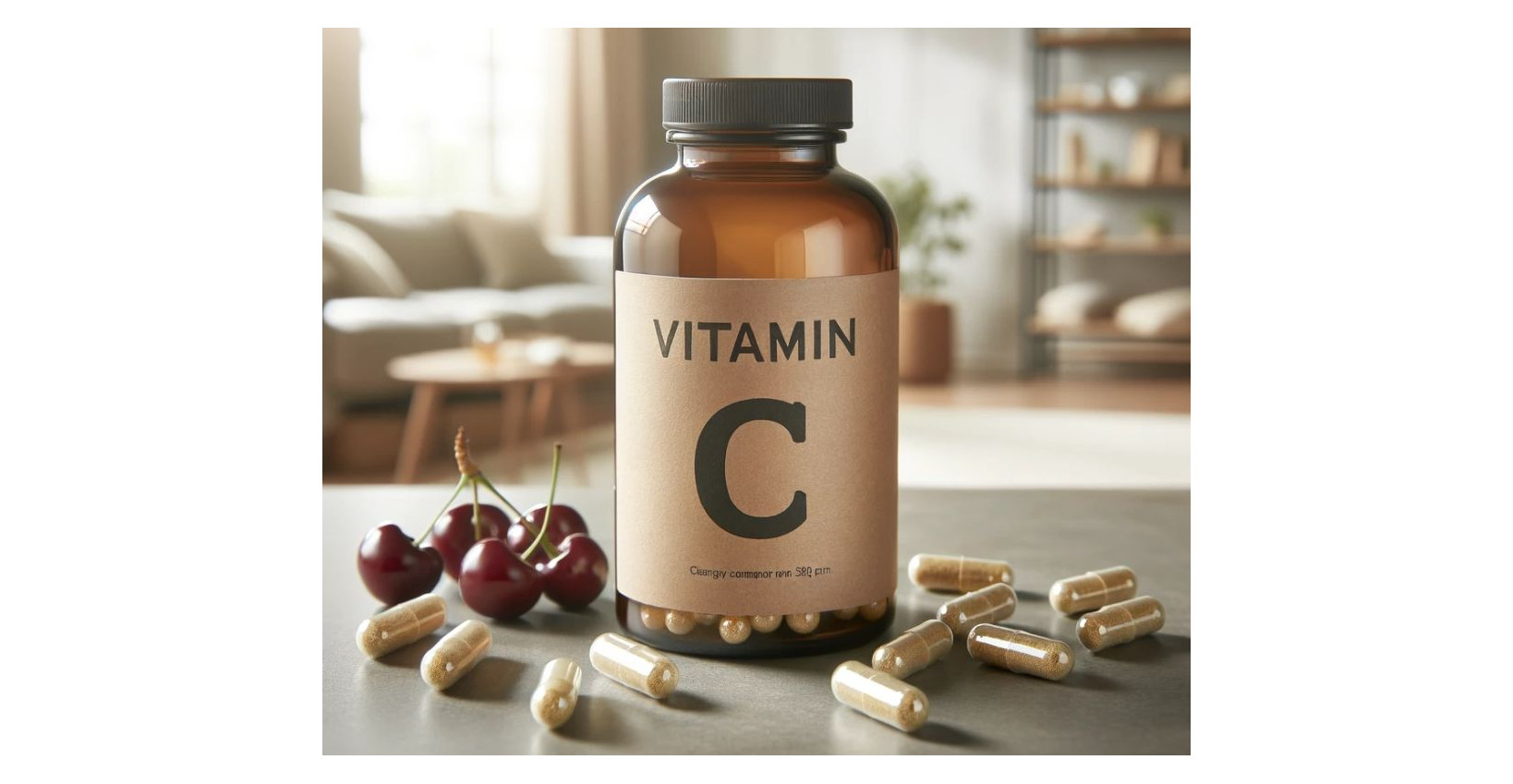
What exactly is the notorious vitamin C?
Vitamin C or ascorbic acid is a non-caloric organic substance essential for the proper functioning of human metabolism. The body does not naturally synthesize it. It is water-soluble and easily excreted from the body in urine. To maintain the body's balance, regular supplementation is therefore necessary. It is mainly absorbed in the small intestine and to a lesser extent through the mouth and stomach. It is sensitive to light and heat.
What are the differences between synthetic and natural vitamin C?
Synthetic and natural vitamin C are almost molecularly identical in appearance, but they mainly differ qualitatively. Therefore, it is better to choose the one originating from natural sources (acerola, blackcurrant, kiwi, amla, rosehip, sea buckthorn, etc.). Synthetic vitamin C is produced in the laboratory by fermenting cereals or corn (most commonly used). Although the raw material from which it is obtained is natural, the L-ascorbic acid molecule comes from a chemical transformation process.
Natural form is extracted from fruits and vegetables rich in it. During artificial recomposition in the laboratory, two forms of vitamin C can be obtained, L-ascorbic acid or D-ascorbic acid. The first is molecularly very similar to natural vitamin C, while the second is really far from it. So much so that it poses a health risk and is therefore prohibited for regular use as a dietary supplement. Natural vitamin C naturally contains active substances that support its assimilation in the body, does not cause adverse effects, and does not disrupt sleep, which can often happen with the synthetic form.
Liposomal form of vitamin C
Liposomal vitamin C is vitamin C encapsulated in a liposome, a particle surrounded by lipids. Liposomes are small, fat-soluble carriers that transport nutrients throughout the body. They are made of phospholipids. They pass through cell membranes, carrying liposomal vitamin C to the very center of cells. This lipid coating protects it as it passes through the digestive system. This is especially practical for preventing digestive disorders and improving its bioavailability and subsequent quality utilization by the body, as it is better absorbed than the classic form.
Liposomes act as a protective barrier during digestion and allow more vitamin C to enter the bloodstream in its unchanged form and remain in it longer. Its natural antioxidant and immune-stimulating properties can thus be more effective. The vitamin C used to produce the liposomal form is synthetic (ascorbic acid or sodium ascorbate). 1,000 mg of liposomal vitamin C corresponds to 20 g of vitamin C.
Who should supplement it and possible precautions during use
Vitamin C is an important substance that really everyone should pay attention to, including children. Not only during the winter period. It helps maintain comprehensive energy reserves, prevents chronic exhaustion, and is a great supportive agent during convalescence. It is also recommended in cases of intense physical exertion and increased mental strain, for athletes, and smokers.
The recommended safe dose is a maximum of 2000 mg daily; this is the limit you should not exceed to avoid overdose. It can increase the intestinal absorption of iron, so its intake (in high doses) must be monitored in cases of hemochromatosis and in individuals with high ferritin, which indicates excessive intake and storage of iron.
How does vitamin C work in the body and why do you even need it?
Vitamin C is known for its high antioxidant power, helping the body fight against the harmful effects of free radicals, which can cause premature aging of cells. It is essential to stimulate the production of neurotransmitters in the brain from an early age and thus maintain brain functions in good condition. It is also important for the synthesis of catecholamines, phenylalanine, adrenaline, dopamine (neurotransmitters). It participates in the formation and renewal of white blood cells, making it important for assuring a good immune response of the organism. It also plays a role in the formation of collagen, supports strong cartilage and gums, youthful skin. It is necessary for proper iron utilization by the body.
In case of vitamin C deficiency, various health issues begin to appear. Severe deficiency can cause general asthenia (a feeling of long-term fatigue), irritability, and loss of appetite. If the deficiency lasts long, rare diseases (e.g., scurvy) that cause swelling and bleeding may occur. Typical vitamin C deficiency signs also include capillary fragility, swelling, bleeding from the mouth and gums, joint pain, malnutrition, difficulty healing wounds, and increased susceptibility to recurring infections.
Other important roles of vitamin C in the body:
- Synthesis of carnitine (affecting cellular energy).
- Antiallergic, anti-inflammatory, antihistamine effect (reduces histamine levels, which can be very helpful during allergic reactions).
- Antianemic effect (reduces symptoms of anemia by supporting better assimilation of iron by the organism).
- Supports healing of damaged skin.
- Functions as an adaptogen.
- Contributes to physical, nervous, mental energy and normal energy metabolism.
- Converts folic acid to its active form (B9).
Sources:
https://www.ncbi.nlm.nih.gov/books/NBK499877/ Vitamin C (Ascorbic Acid)
https://www.ncbi.nlm.nih.gov/pmc/articles/PMC3783921/ Vitamin C in Disease Prevention and Cure: An Overview
www.ncbi.nlm.nih.gov/pmc/articles/PMC4915787/ Liposomal-encapsulated Ascorbic Acid: Influence on Vitamin C Bioavailability and Capacity to Protect Against Ischemia–Reperfusion Injury
https://pubmed.ncbi.nlm.nih.gov/15672419/ Sodium ascorbate (vitamin C) induces apoptosis in melanoma cells via the down-regulation of transferrin receptor dependent iron uptake
https://www.ncbi.nlm.nih.gov/pmc/articles/PMC3156342/ Vitamins C and E: Beneficial effects from a mechanistic perspective
https://www.ncbi.nlm.nih.gov/pmc/articles/PMC9925039/ The Role of Vitamin C in Human Immunity and Its Treatment Potential Against COVID-19: A Review Article
https://www.ncbi.nlm.nih.gov/books/NBK493187/ Vitamin C Deficiency