


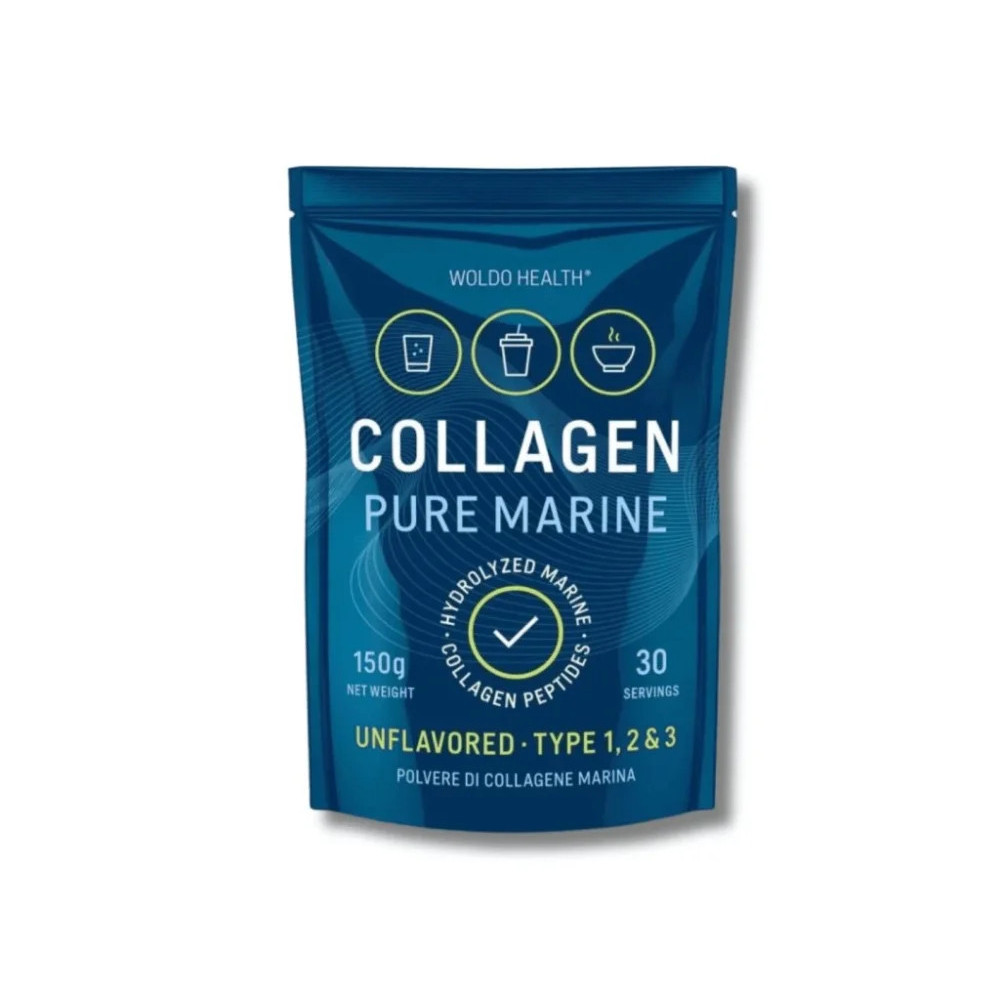





100% hydrolysed marine collagen of high quality containing only natural marine collagen peptides. Marine collagen in hydrolysed form allows easy dissolution in water or other liquids and maximum utilisation by our body. The collagen raw material comes from sustainably farmed and wild aquatic fish species.
What is NatiCol:
NatiCol is a patented form of collagen obtained from fish.
Composition:
It is essentially a mixture of natural peptides of various molecular weights including dipeptides and tripeptides.
Amino acid content:
It has a similar proline and hydroxyproline content as bovine collagen. It also contains arginine, an amino acid.
Strict control:
NatiCol undergoes strict control throughout the manufacturing process, so it is not exposed to any irradiation and contains no chemical residues.
100% from France:
This 100% marine collagen is made only from fish from France without chemical treatment.
Sustainable source:
It comes from sustainably farmed and wild aquatic fish species.
Most common type:
WoldoHealth marine collagen contains type I collagen, which is the most common collagen found in our body.
For skin:
It is essential for our skin and contributes to its elasticity and firmness.
Glycoprotein:
It is also a glycoprotein involved in vital functions of almost all organs and tissues.
Essential amino acids:
Collagen consists of essential amino acids, with the most abundant being:
Vitamin C:
Since hydroxyproline and hydroxylysine are formed in the presence of vitamin C, consuming collagen with vitamin C-rich foods is recommended to support their positive effects and formation.
Foods supporting formation:
Other foods supporting its formation include eggs, sweet potatoes, fish and seafood, or spirulina.
Many different types exist in the human body:
This product:
Contains type I - the most common in the body.
Maximum utilisation:
Marine collagen in hydrolysed form enables easy dissolution in water or other liquids and maximum utilisation by our body.
Peptides:
Containing only natural marine collagen peptides of various molecular weights.
What is collagen:
Collagen is a basic building block of the human body and plays a key role in tissue regeneration.
Where found:
Widely found in skin, bones, and tendons.
Glue function:
In the body, it acts as a glue by creating connective tissue to support the structure of muscle tissue, skin, tendons, and bones.
The body produces collagen:
Collagen is a protein that our body can produce if it has enough necessary nutrients.
From age 20:
Around age 20, collagen production slows down.
From age 25:
Around age 25, our body loses the ability to naturally produce collagen.
From age 40:
At about age 40, collagen decreases faster than the body can produce it.
Signs of deficiency:
Its deficiency manifests as muscle and joint pain, wrinkles, fatigue, or slow wound healing.
How to slow it down:
This process can be slowed by consuming foods supporting natural collagen formation or by using quality collagen supplements.
Safety:
Collagen is a non-immunogenic protein, meaning it does not trigger an exaggerated immune response in the body, so food intolerance or allergy is very unlikely.
Pure product:
Contains no additives such as:
No chemicals:
No chemical treatment, is not exposed to any irradiation, contains no chemical residues.
Pharmaceutical conditions:
The product was manufactured and tested under pharmaceutical conditions in Germany.
Strict control:
NatiCol undergoes strict control throughout the manufacturing process.
Ingredients:
Hydrolysed collagen without gluten and lactose.
NatiCol:
Patented form of collagen obtained from fish from France.
| Nutrient | Content |
|---|---|
| Energy Value | 1457 kJ / 348 kcal |
| Fat | 0 g |
| - of which saturated | 0 g |
| Carbohydrates | 0 g |
| - of which sugars | 0 g |
| Fibre | 0.30 g |
| Protein | 90.2 g |
| Salt | 0.3 g |
Pure protein:
90.2% pure proteins.
Recommended dosage:
Why higher dose:
For the fastest saturation of connective tissues and initiation of regenerative processes.
No risk of overdose:
Since this is a natural product, overdose is not a risk.
Number of servings:
Total servings per package are 30.
Ways to use:
Recommended combination:
Since hydroxyproline and hydroxylysine are formed in the presence of vitamin C, consuming collagen with vitamin C-rich foods is recommended to support their positive effects and formation.
Foods with vitamin C:
Packaging:
Storage:
Recommended for:
Collagen supplementation is mainly recommended for:
From age 25:
Around age 25, our body loses the ability to naturally produce collagen.
Suitable for:
Contains:
NatiCol patented form - obtained from fish, strict manufacturing control.
From France - only from fish from France without chemical treatment.
No irradiation - not exposed to any irradiation, contains no chemical residues.
Collagen type I - the most common collagen in our body, essential for skin.
100% hydrolysed - maximum utilisation by the body, easy dissolution.
Peptides - mixture of natural peptides including dipeptides and tripeptides.
Amino acids - glycine, proline, hydroxyproline, hydroxylysine, arginine.
Building block - key role in tissue regeneration.
Glue function - creates connective tissue to support muscle, skin, tendons, bones structure.
Glycoprotein - involved in functions of almost all organs and tissues.
Decline from age 20 - production slows from 20 years old, decreases rapidly from 40.
From age 25 - body loses the ability to naturally produce collagen.
Non-immunogenic - does not trigger an exaggerated immune response, allergy unlikely.
With vitamin C - recommended combination with vitamin C-rich foods.
Supporting foods - eggs, sweet potatoes, fish, seafood, spirulina.
90.2 g protein - per 100 g of product.
No additives - free from gluten, soy, lactose, sweeteners, chemicals.
Pharmaceutical quality - manufactured and tested in Germany.
5 g daily - 30 servings in the package.
150 g - compact packaging.
Type I:
Most common type of collagen in the human body.
From fish:
Sustainably farmed and wild aquatic fish species from France.
NatiCol:
Patented form with strict quality control.
3 main types:
Type I vs others:
Many different types of collagen exist in the human body. Type I is the most common - in bones and skin.
Recommended:
Collagen supplementation is mainly recommended for athletes.
Regeneration:
Tissue recovery after physical strain.
Connective tissues:
Support for tendons and ligaments.
Recommended:
Collagen supplementation is mainly recommended for seniors.
Natural decline:
From age 40, collagen decreases faster than the body can produce it.
Recommended:
Collagen supplementation is recommended for people with joint problems.
Signs of deficiency:
Muscle and joint pain may indicate collagen deficiency.
Why supplement collagen:
More information: Collagen: Why is it important to supplement? :: WERECO
Dietary supplement. The product has no approved medicinal effects and is not intended as a replacement for a varied diet. Do not exceed the recommended dose. Keep out of reach of children. Minimum durability marked on the packaging. Protect from light.
Contains: Fish (marine collagen from France)
Q: What is NatiCol?
A: Patented form of collagen obtained from fish, a mixture of natural peptides with strict production control without irradiation and chemical residues.
Q: Where does the collagen come from?
A: Only from fish from France without chemical treatment, from sustainably farmed and wild species.
Q: What type of collagen does it contain?
A: Type I - the most common collagen in our body, essential for skin, contributes to elasticity and firmness.
Q: What are peptides?
A: A mixture of natural peptides of various molecular weights including dipeptides and tripeptides.
Q: Which amino acids does it contain?
A: Glycine, proline, hydroxyproline, hydroxylysine, and arginine. Similar proline and hydroxyproline content as bovine collagen.
Q: Why with vitamin C?
A: Hydroxyproline and hydroxylysine formation requires vitamin C - recommended combination with vitamin C-rich foods.
Q: When to start supplementing?
A: Production slows from age 20, body loses natural collagen production ability from 25, rapid decrease from 40.
Q: What are signs of deficiency?
A: Muscle and joint pain, wrinkles, fatigue, or slow wound healing.
Q: How is it used?
A: 5 g daily in water, smoothie or with vitamin C-rich foods. Easy dissolution.
Q: How many servings per package?
A: 30 servings of 5 g each.
Q: Is overdose possible?
A: No, natural product - overdose is not possible.
Q: Is it safe?
A: Yes, collagen is a non-immunogenic protein - does not trigger exaggerated immune response, allergy or intolerance very unlikely.
Q: What is glycoprotein?
A: Collagen is a glycoprotein and is involved in vital functions of almost all organs and tissues.
Q: Who is it intended for?
A: Mainly seniors, athletes, and people with joint problems.
Q: Which foods support its formation?
A: Eggs, sweet potatoes, fish and seafood, or spirulina.
Q: Does it contain chemicals?
A: No, no chemical treatment, not exposed to irradiation, contains no chemical residues.
Q: Does it contain gluten?
A: No, gluten-free - suitable for gluten-free diets.
Q: Does it contain lactose?
A: No, lactose-free - suitable for intolerant individuals.
Q: Where is it made?
A: Made and tested under pharmaceutical conditions in Germany. Fish from France.
Q: How much protein does it contain?
A: 90.2 g protein per 100 g of product - pure protein.
Q: How to store?
A: Store in a dry place, out of reach of children, protect from light.
Q: What is the difference compared to bovine collagen?
A: Marine is type I (most common in the body), from fish instead of bovine, NatiCol patented form, suitable for people preferring fish source.

Specific References


Your review appreciation cannot be sent
Report comment
Report sent
Your report cannot be sent
Write your review
Review sent
Your review cannot be sent