
- Out-of-Stock
-
Category
- Natural cosmetics
-
Household & personal care
-
Food supplements
- Protein powders
- Omega-3
- Collagen
- Probiotics and fibre
- Spirulina, chlorella and green superfoods
- Propolis and bee products
- Vitamins
- Minerals
- Organ supplements and colostrum
- Digestive enzymes
- Herbs and adaptogens
-
Specialist supplements
- Medicinal mushrooms
- Marine plasma
-
Food
- Tea and coffee
-
Aromatherapy
-
Home and kitchen
- Kids and mums
- Sleep
- Gifts and gift sets
- For dogs and cats
- Books
- Clearance
- All brands
- Blog
Top 10 products
-
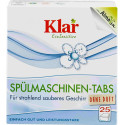
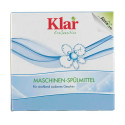
Klar Ecological dishwasher tablets
2,630 Ft -
Almawin Dishwasher Tablets 25 pcs
2,550 Ft
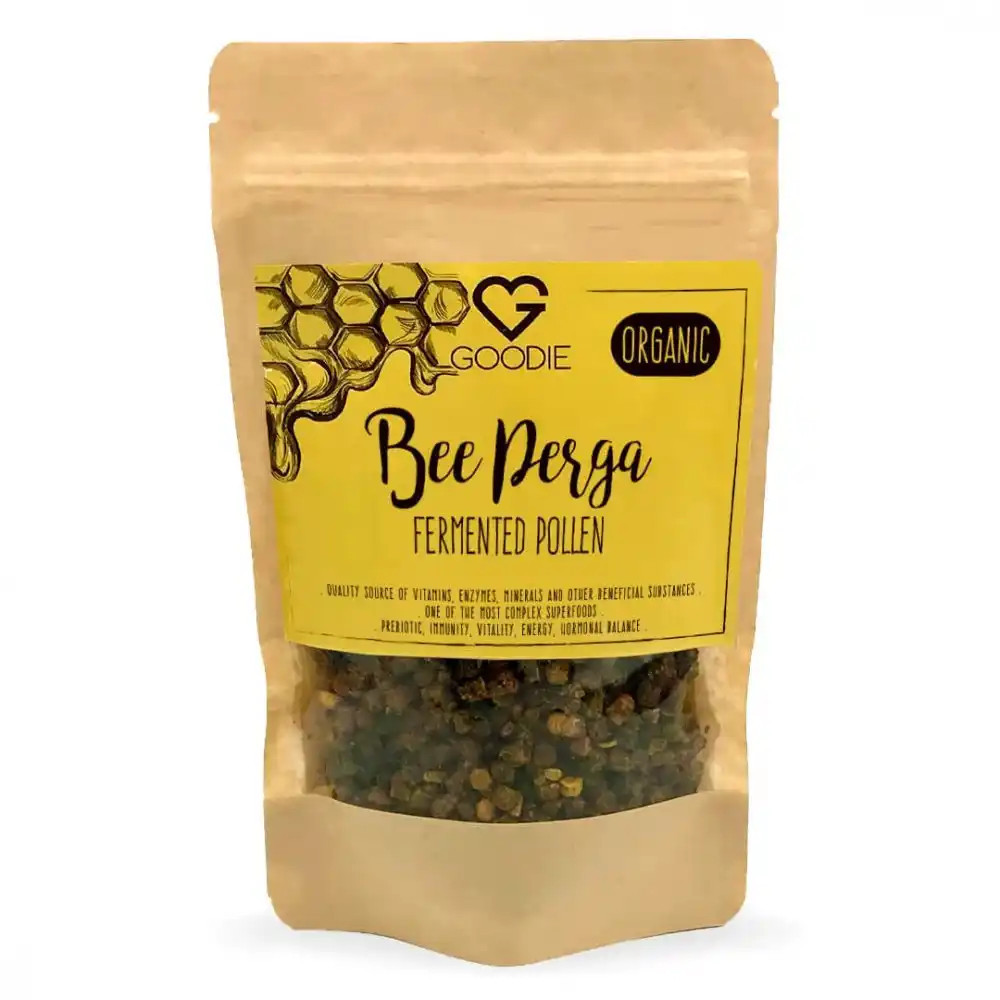
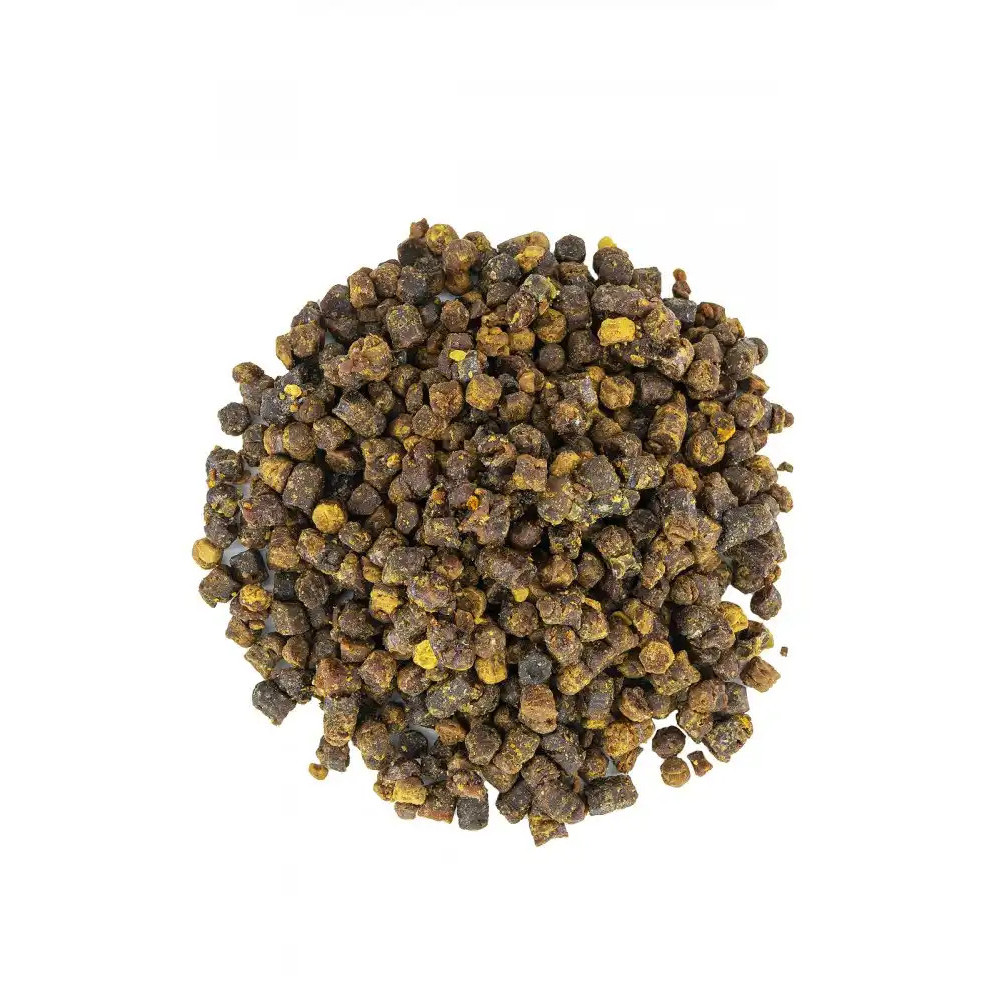
Goodie Bee Perga Organic Fermented Pollen 100 g
Bee pollen has become a popular part of households of those who trust hive products. Its generally beneficial properties are widely discussed among naturopaths and practitioners of apitherapy (healing with bee products). Choosing quality pollen is really important for those who want to use it and also preserve the health of the bee colonies from which it originates.
🐝 Why is quality beekeeping important?
Bee colonies receive from pollen essential proteins necessary for survival, as it is their only source.
Ethical and ecological beekeeping:
- Preserving the natural balance of bee colonies
- Preserving biodiversity
- Protecting bee welfare
- Emphasizing overall bee protection
- Maintaining bee health and the best condition of the surrounding nature
Because without bees, there would be no life.
🌿 Nutritional value of bee pollen
If you decide to get quality organic bee pollen, it will be a rich source of nutrients for you:
Contains:
- Quality proteins (16 g / 100 g)
- Carbohydrates (59 g / 100 g)
- Lipids (9 g / 100 g)
- Fiber (5 g / 100 g)
Minerals:
- Calcium
- Iron
- Magnesium
Vitamins:
- B vitamins
- Vitamin D
- Vitamin E
- Vitamin C
All in a unique, balanced combination.
📊 Nutritional information (per 100 g)
| Component | Quantity |
|---|---|
| Energy value | 1650 kJ / 393 kcal |
| Fats | 9 g |
| - of which saturated | 2 g |
| Carbohydrates | 59 g |
| - of which sugars | 39 g |
| Fiber | 5 g |
| Proteins | 16 g |
| Salt* | 0.03 g |
*naturally occurring
🧪 Ingredients
- Organic bee fermented pollen
- Honey
✅ Key product features
- Organic quality
- Fermented bee pollen with honey
- From controlled hives of ethically and ecologically kept bees
- From untouched nature in Romania
- Rich source of proteins (16 g / 100 g)
- Minerals (calcium, iron, magnesium)
- Vitamins B, D, E, C
- Unique balanced combination of nutrients
- 100 g packaging
🥄 Usage
Recommended dosage: 5-10 g daily
How to consume:
- For direct consumption
- Add to porridge
- Add to smoothies
- Into yogurt or muesli
📦 Packaging
Content: 100 g
⚠️ Warnings
Not suitable for:
- Children under 3 years
- Persons with kidney diseases or weakened kidney function
- Persons with tumor diseases
Consultation with a doctor:
- Pregnant and breastfeeding women should consult their doctor before use
Possible reactions:
- Some people may experience mild stomach and intestinal reactions or a laxative effect
Allergy test:
Before use, it is better to perform an allergy test:
- Apply a small amount of pollen to the underside of the wrist
- After 3-5 hours, check for a red spot
- If yes, you most likely have an allergy to bee products and should not use the pollen
General warnings:
- Food supplements do not replace a varied and balanced diet
- Keep out of reach of children
- Store in cool, dry and dark places
🌍 Country of origin
Romania
- From untouched nature
- Controlled bee hives
- Ethical and ecological approach
❓ FAQ - Frequently Asked Questions
Q: What is bee perga?
A: Bee perga is fermented bee pollen that bees store in honeycombs and ferment with the addition of honey. It is considered even more valuable than fresh pollen.
Q: What is the difference between pollen and perga?
A: Perga is a fermented form of pollen that has longer shelf life and some nutrients are more available thanks to fermentation.
Q: What is apitherapy?
A: Apitherapy is healing using bee products (honey, pollen, propolis, royal jelly, etc.), practiced in naturopathy.
Q: How much pollen should I take daily?
A: The recommended dosage is 5-10 g daily.
Q: How should I take bee perga?
A: You can consume it directly, or add it to porridges, smoothies, yogurt or muesli.
Q: Why is ethical beekeeping important?
A: Pollen is the only source of proteins for bee colonies. Ethical beekeeping ensures that bees have enough food and live in natural conditions, which is important for their health and the surrounding nature.
Q: Is the product suitable for allergy sufferers?
A: No, the product can cause allergic reactions in people allergic to bee products. We recommend an allergy test before first consumption.
Q: How do I perform an allergy test?
A: Apply a small amount of pollen to the underside of the wrist and check after 3-5 hours for a red spot. If yes, do not use the product.
Q: Can I use bee perga during pregnancy?
A: Pregnant and breastfeeding women should consult their doctor before use.
Q: Is bee perga suitable for children?
A: No, the product is not suitable for children under 3 years.
Q: Can I use bee perga with kidney disease?
A: No, the product is not suitable for kidney disease or weakened kidney function.
Q: What nutrients does bee pollen contain?
A: Bee pollen is a rich source of proteins (16 g/100 g), contains carbohydrates, lipids, minerals (calcium, iron, magnesium) and vitamins (B, D, E, C).
Q: How should I store the product?
A: Store in a cool, dry and dark place, out of reach of children.
Q: Can bee perga cause digestive problems?
A: Some people may experience mild stomach and intestinal reactions or a laxative effect.
3 other products in the same category:
Your review appreciation cannot be sent
Report comment
Report sent
Your report cannot be sent
Write your review
Review sent
Your review cannot be sent