



Top 10 products


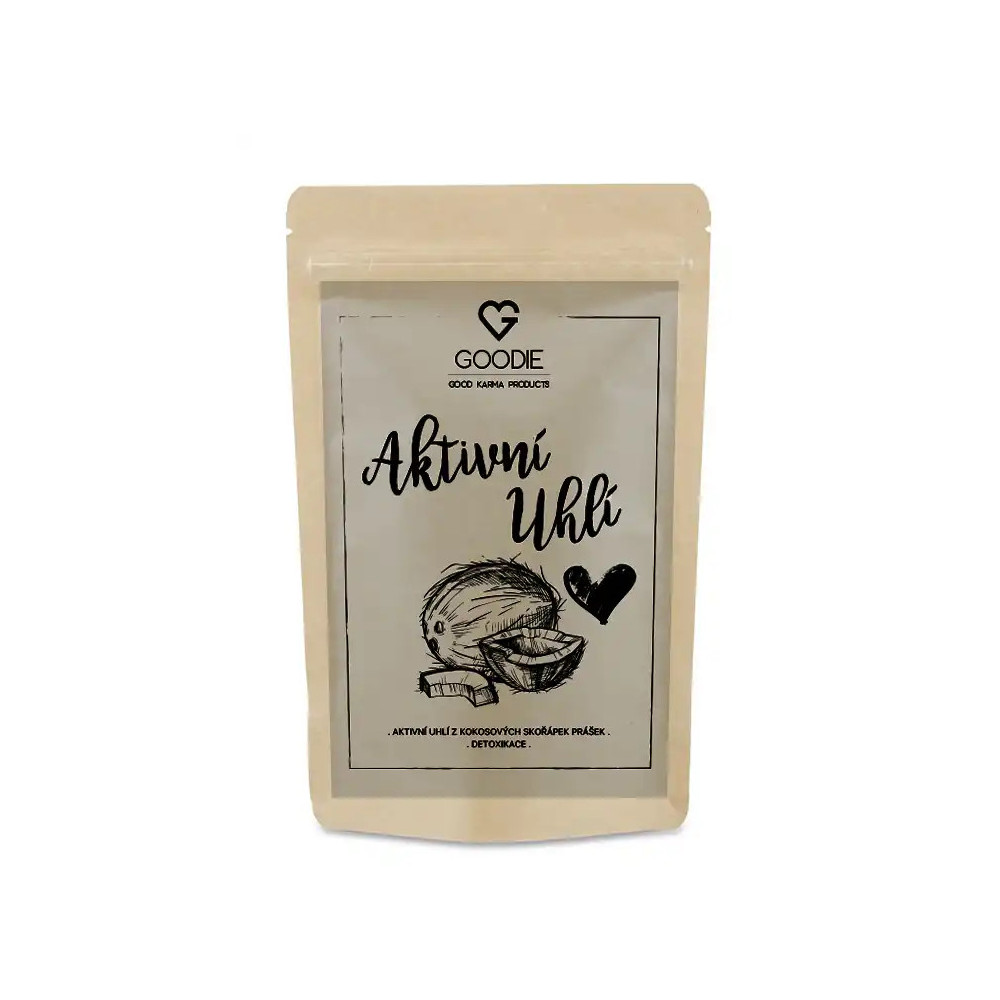
Activated charcoal from coconut shells is intended for direct consumption. It is suitable for both internal and external use. It has almost the same properties as animal-based charcoal but is also suitable for vegans. Due to its adsorption effects, it is most commonly used in medicine for intoxication and in industry for producing drinking water.
Activated charcoal is most often extracted from coconut shells, ash, or poplars. To be fully effective and maximize its adsorption surface, it is obtained in two stages: carbonization and activation.
1. Carbonization: Coconut shells are calcined by heating to temperatures ranging from 600°C to 900°C without air access.
2. Activation: The wood is re-calcined at the same temperatures but this time in the presence of water vapor, air, or oxidizing gases. This allows the development of a network of micropores that act as effective traps for unwanted molecules.
Result: This two-step method gives it very high porosity, allowing it to absorb up to 100 times its volume of gas.
Simply because activated charcoal from coconut shells is the most effective. Its adsorption capacity is, for example, 25 times greater than ash.
Advantages of coconut activated charcoal:
Activated charcoal has a very porous structure with a huge surface area that can absorb (bind) various substances.
In medicine:
In industry:
Basic dose: Mix 1 teaspoon (2 g) with 200 ml of water or a favorite beverage.
Maximum daily dose:
Activated charcoal is popular not only for its effects but also adds a black color to drinks and dishes.
Where to add:
Try activated charcoal for cleaning teeth. Thanks to its highly abrasive properties, you get beautifully clean, white, and shiny teeth.
How to use:
⚠️ WARNING: Do not use too often (maximum 1-2 times per week), as it could damage tooth enamel. Activated charcoal is highly abrasive and excessive use can harm tooth enamel.
Activated charcoal can also be used externally:
| Ingredient | Amount |
|---|---|
| Energy value | 0 kJ / 0 kcal |
| Fats | 0 g |
| - of which saturates | 0 g |
| Carbohydrates | 99 g |
| - of which sugars | 0 g |
| Proteins | 0 g |
| Salt | 0 g |
100% activated charcoal - powder
Made from coconut shells
Content: 50 g powder
Czech Republic
Q: What is activated charcoal? A: Activated charcoal is a highly porous form of carbon made from coconut shells by a two-step method (carbonization and activation), which can absorb up to 100 times its volume of gas.
Q: How is activated charcoal made? A: In two phases - carbonization (heating to 600-900°C without air) and activation (re-calcining in the presence of water vapor), creating a network of micropores.
Q: Why coconut specifically? A: Activated charcoal from coconut shells is the most effective - its adsorption capacity is 25 times greater than ash.
Q: How does activated charcoal work? A: It has a porous structure with a huge surface area that can bind (adsorb) various substances, toxins, and impurities.
Q: Can I take activated charcoal with medications? A: NOT simultaneously. Activated charcoal can absorb medications and reduce their effectiveness. Keep a 2-4 hour interval between medicines and activated charcoal.
Q: Does this also apply to hormonal contraception? A: Yes, activated charcoal can reduce the effectiveness of hormonal contraception. Consult a doctor or keep a longer interval.
Q: Is it suitable for vegans? A: Yes, this product is made from coconut shells and is suitable for vegans.
Q: Does it really whiten teeth? A: Activated charcoal has abrasive properties that can mechanically remove surface stains. The effect is not permanent and caution is advised.
Q: How often can I use it on teeth? A: Maximum 1-2 times per week. More frequent use could damage tooth enamel.
Q: Does activated charcoal harm tooth enamel? A: Excessive use can. Activated charcoal is highly abrasive, so it is important not to use it too often and to brush gently.
Q: How much can I take daily? A: Maximum 50 g for adults and 25 g for children. Start with a smaller dose (1 teaspoon = 2 g).
Q: Where can I add activated charcoal? A: To smoothies, ice cream, porridge, drinks, baked goods, yogurt. It can also be used for teeth cleaning or in cosmetics.
Q: Why is activated charcoal black? A: Activated charcoal is made of carbon, which naturally has a black color. This color transfers to foods and drinks.
Q: Is activated charcoal safe? A: Yes, when used correctly it is safe. The main risk is medication absorption - always keep the recommended time gap from medication.
Q: Does activated charcoal change stool colour? A: Yes, after consuming activated charcoal, stool may be black - this is normal and not a cause for concern.
Q: Is it suitable for pregnant women? A: No, the product is not suitable for pregnant and breastfeeding women.
Q: Is it suitable for children? A: Not for children under 3 years. Older children can take a lower dose (max 25 g daily).
Q: Does activated charcoal have a taste? A: Activated charcoal is essentially tasteless, with a mildly earthy or neutral flavour.

Specific References

Your review appreciation cannot be sent
Report comment
Report sent
Your report cannot be sent
Write your review
Review sent
Your review cannot be sent