






-
Category
- Natural cosmetics
-
Household & personal care
-
Food supplements
- Protein powders
- Omega-3
- Collagen
- Probiotics and fibre
- Spirulina, chlorella and green superfoods
- Propolis and bee products
- Vitamins
- Minerals
- Organ supplements and colostrum
- Digestive enzymes
- Herbs and adaptogens
-
Specialist supplements
- Medicinal mushrooms
- Marine plasma
-
Food
- Tea and coffee
-
Aromatherapy
-
Home and kitchen
- Kids and mums
- Sleep
- Gifts and gift sets
- For dogs and cats
- Books
- Clearance
- All brands
- Blog
Top 10 products
-
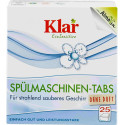
Klar Ecological dishwasher tablets
2,630 Ft -
Almawin Dishwasher Tablets 25 pcs
2,550 Ft
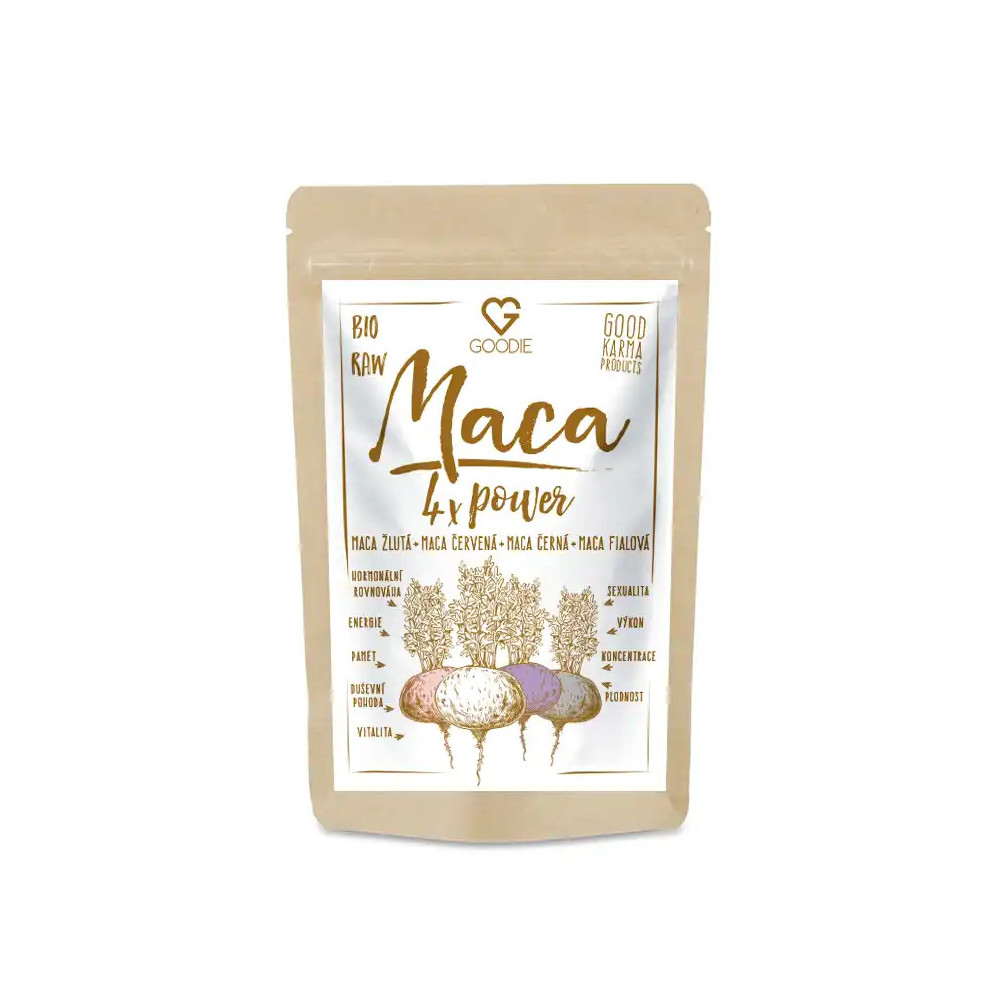
Goodie Bio Maca 4x Stronger Power - 4 Types of Maca
Maca (Lepidium meyenii), also known as Peruvian cress, grows at high altitudes in South America, where it is a common part of the daily diet of the local population in various preparations and forms. The dietary supplement contains four varieties of maca in BIO and RAW quality, sourced from growers in Peru.
🌱 4 Types of Maca in One Product
Ingredients:
- 25% BIO Yellow Maca
- 25% BIO Red Maca
- 25% BIO Black Maca
- 25% BIO Purple Maca
Synergistic Effect:
The combination of four varieties provides a broader spectrum of nutrients than one single variety alone.
🏔️ What is Maca?
Botanical Information:
- Latin Name: Lepidium meyenii
- Czech Name: Peruvian cress
- Origin: High altitudes in South America (Peru)
- Part Used: Tuber
Traditional Uses:
Maca was historically cultivated mainly for its nutritional value. The tuber was consumed:
- Fresh - like sweet potatoes
- Dried - for preservation
- Added to dishes - mainly desserts
Current Consumption:
Even today, Peruvians in the highlands consume on average 500 g of maca daily.
🔬 Nutritional Composition
Unsaturated Fatty Acids:
- Linoleic Acid - 32.6%
- Linolenic Acid - 15.4%
- Oleic Acid - 11.1%
Other Components:
- Rich in Amino Acids
- Sterols
- Minerals - especially phosphorus (P), calcium (Ca), magnesium (Mg)
- Vitamins - B1, B2, B12, D, E, C
Nutritional Values per 100 g:
| Component | Amount |
|---|---|
| Energy Value | 1466 kJ / 348 kcal |
| Fat | 2.1 g |
| - of which saturated | 0.4 g |
| Carbohydrates | 63.9 g |
| - of which sugars | 27.6 g |
| Fibre | 10.6 g |
| Protein | - |
| Salt | 0.01 g |
✅ Functions as:
- Source of fibre (10.6 g / 100 g)
- Source of protein
- BIO quality
- RAW quality (gentle processing)
🥄 Usage and Dosage
Recommended Daily Dose:
- 1-5 teaspoons (2-10 g)
- You can consume 1-3 times daily
- Each person may choose their dosing scheme within the recommended daily dose range
Recommended Dosing Scheme:
- 5 times a week or
- 3 weeks per month
How to Start:
- We recommend starting with smaller doses (e.g., 1/2 teaspoon)
- Gradually increase doses depending on body weight
🍹 How to Use Maca?
In Drinks:
- Add to your favourite drink
- In smoothies
- In plant-based milk
In Meals:
- In porridge (oat, rice)
- In yogurt
- In RAW cuisine also in dough when baking
Maca enriches the final drink or dish both in taste and nutrition.
✅ Key Product Features
- 4 maca varieties (yellow, red, black, purple)
- BIO certified
- RAW quality (gentle processing)
- From Peru - traditional cultivation area
- Source of fibre (10.6 g / 100 g)
- Source of protein
- Rich in amino acids
- Contains minerals (P, Ca, Mg)
- Contains vitamins (B1, B2, B12, D, E, C)
- Gluten-free
- Lactose-free
- No added sugar
- GMO and chemical-free
- Suitable for vegans
- 140 g of powder
⚠️ Unsuitable for:
- People with high blood pressure
- People with hormone-sensitive cancers (e.g., breast cancer, prostate cancer)
📦 Packaging
Content: 140 g powder
Country of Origin: Peru
⚠️ Warning
- This dietary supplement is not a substitute for a balanced and varied diet
- Do not exceed the recommended daily dose
- Not suitable for children under 3 years
- Not suitable for pregnant and breastfeeding women
- Pregnant and breastfeeding women are advised to consult a doctor before consuming maca
- Store in a cool and dry place out of reach of children
⚠️ Possible Contraindications
When using maca, no adverse effects have been observed in healthy individuals. However:
Maca may in some people:
- Increase diastolic blood pressure
- Increase liver enzymes and aspartate transaminase
- Trigger allergies in a minority of people
Allergy Symptoms:
- Itching, rash, or hives
- Abdominal pain
If any of these occur, stop using maca.
🌱 Suitable for Vegans
- 100% plant-based product
- No animal ingredients
❓ FAQ - Frequently Asked Questions
Q: What is maca?
A: Maca (Lepidium meyenii), or Peruvian cress, is a tuber growing at high altitudes in Peru. It is a traditional part of the Peruvian population’s diet and is cultivated for its nutritional value.
Q: What varieties of maca does the product contain?
A: The product contains 4 varieties in equal proportions - 25% yellow, 25% red, 25% black, and 25% purple maca. The combination provides a broader spectrum of nutrients.
Q: What does RAW quality mean?
A: RAW quality means gentle processing at low temperatures, preserving enzymes, vitamins, and other nutrients in maca.
Q: What does maca taste like?
A: Maca has a mildly sweet, rooty taste reminiscent of malt or caramel. It is pleasant in drinks and meals.
Q: How much maca should I take daily?
A: The recommended daily dose is 1-5 teaspoons (2-10 g), 1-3 times daily. Start with a smaller dose (1/2 teaspoon) and increase gradually.
Q: How often should I take maca?
A: We recommend a dosing scheme of 5 times a week or 3 weeks per month (i.e., with breaks).
Q: What can I use maca for?
A: You can add it to smoothies, oatmeal, yogurt, drinks, or in RAW cuisine also to dough when baking.
Q: Is maca suitable for vegans?
A: Yes, maca is a 100% plant-based product suitable for vegans and vegetarians.
Q: Does maca contain gluten?
A: No, maca contains no gluten and is suitable for people with celiac disease.
Q: Why is maca not suitable for people with high blood pressure?
A: Maca may increase diastolic blood pressure in some people, so it is unsuitable for individuals with high blood pressure.
Q: Can I take maca during pregnancy?
A: No, maca is not suitable for pregnant and breastfeeding women. If considering use, consult a doctor.
Q: What nutrients does maca contain?
A: Maca is rich in amino acids, unsaturated fatty acids (linoleic, linolenic), minerals (phosphorus, calcium, magnesium), and vitamins (B1, B2, B12, D, E, C). It is a source of fibre (10.6 g/100 g).
Q: Can maca cause allergies?
A: A minority of people may experience allergies (itching, rash, hives, abdominal pain). In such cases, stop using maca.
Q: How long does one package last?
A: With an average dose of 5 g daily (2 teaspoons), the 140 g package lasts approximately 28 days (about 1 month).
Q: How should I store maca?
A: Store in a cool, dry place out of reach of children. Protect from moisture and direct sunlight.
Q: Why combine 4 varieties?
A: Different maca varieties (yellow, red, black, purple) have slightly different nutritional profiles. Their combination provides a broader spectrum of nutrients than any single variety alone.
1 other product in the same category:
Your review appreciation cannot be sent
Report comment
Report sent
Your report cannot be sent
Write your review
Review sent
Your review cannot be sent